Cities and regions that shape an Iraqi journey.
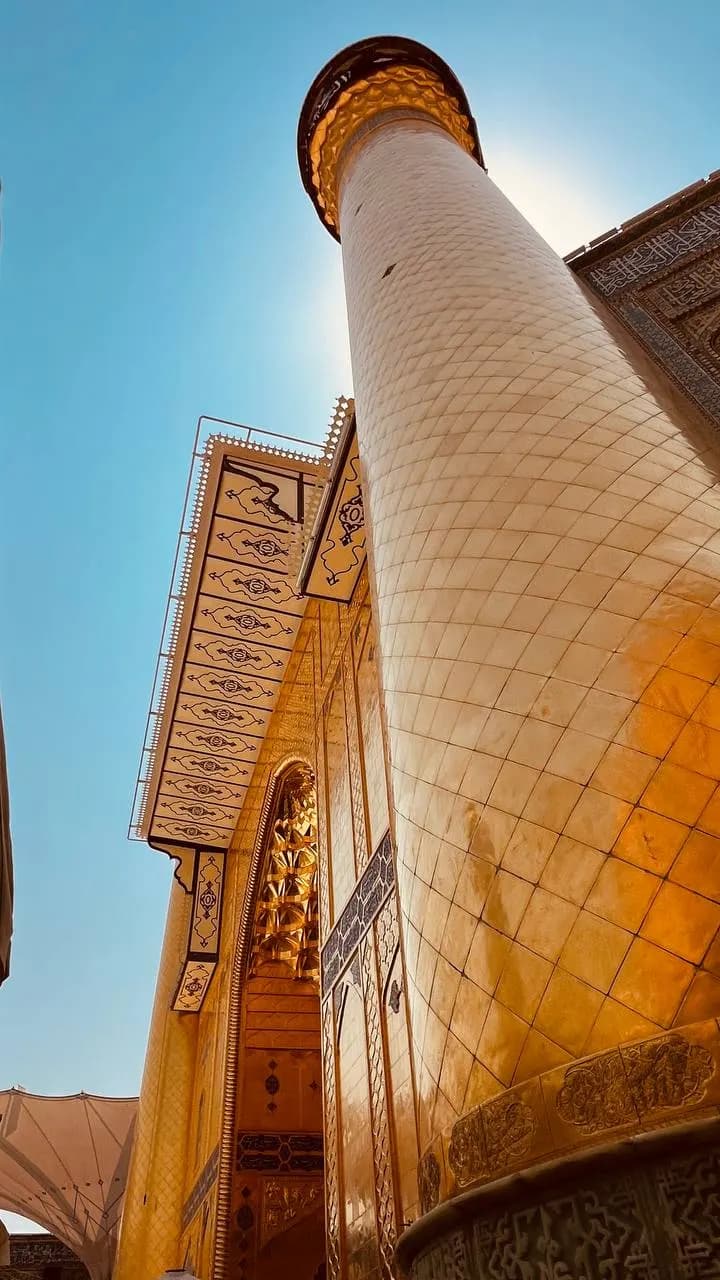
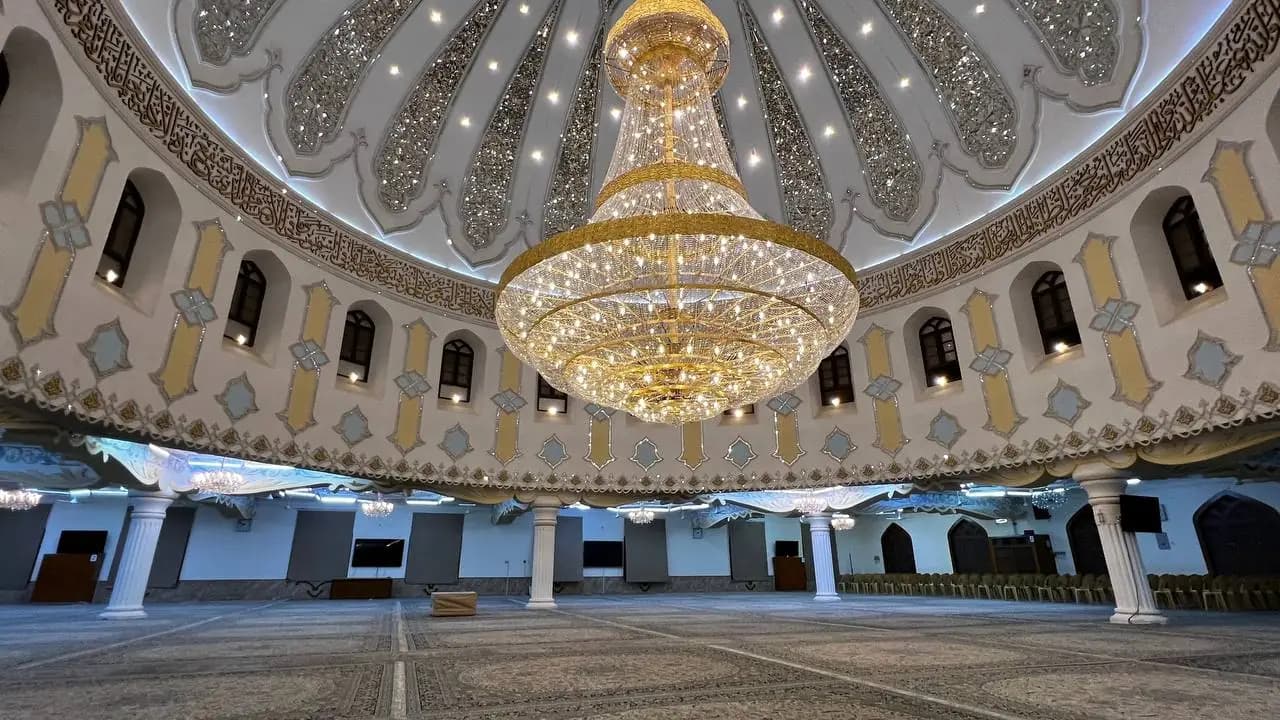
Home to the Imam Ali Shrine and a historic center of Islamic learning. The old city and Wadi al-Salam cemetery form a unique cultural landscape.
Iraq's southern port city of canals and oil wealth, gateway to the Gulf and the legendary Mesopotamian Marshes.
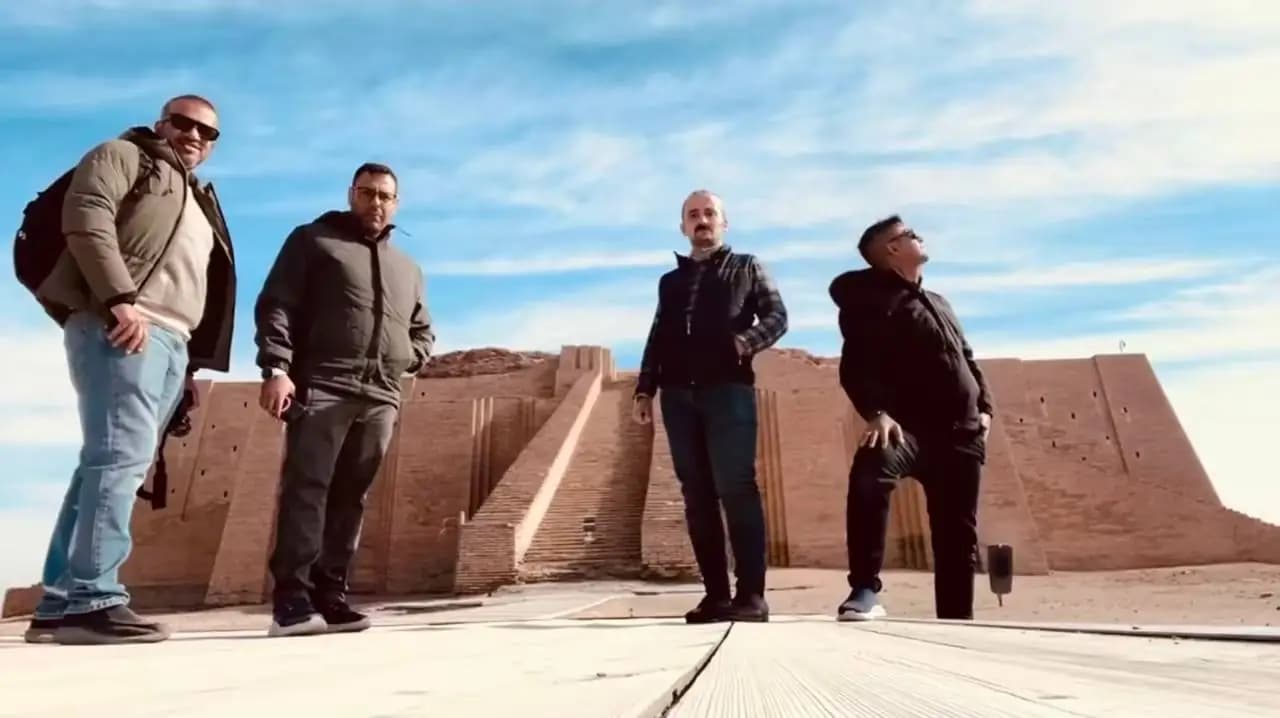
The Sumerian city of Abraham's tradition, crowned by a monumental ziggurat rising above the southern plain near Nasiriyah.
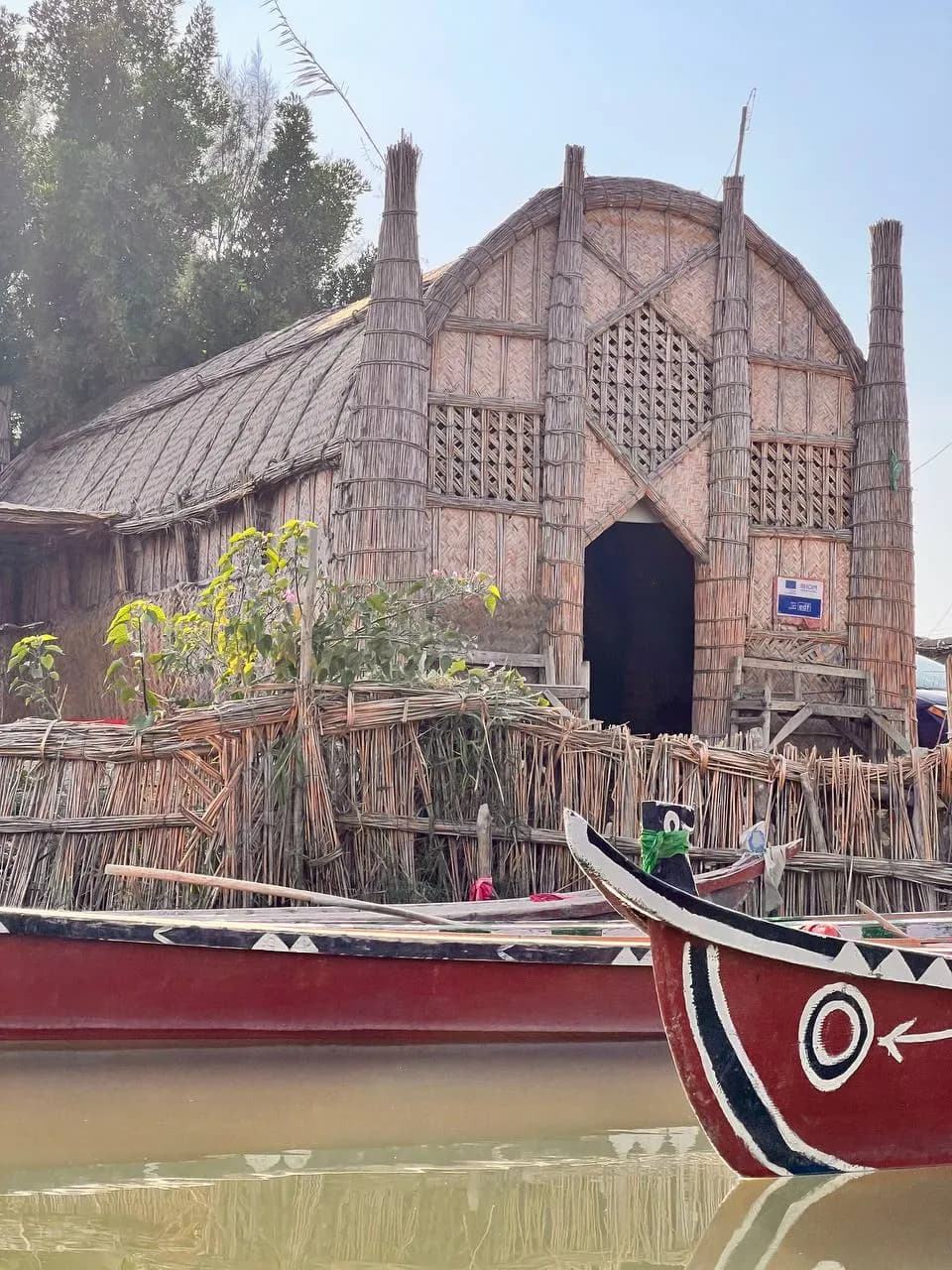
A UNESCO World Heritage wetland of reed houses, water buffalo, and traditional Mashoof boats — the living landscape of the Marsh Arabs.
Capital of the Kurdistan Region, crowned by one of the world's oldest continuously inhabited citadels. Vibrant bazaars, cafés, and mountain day trips.
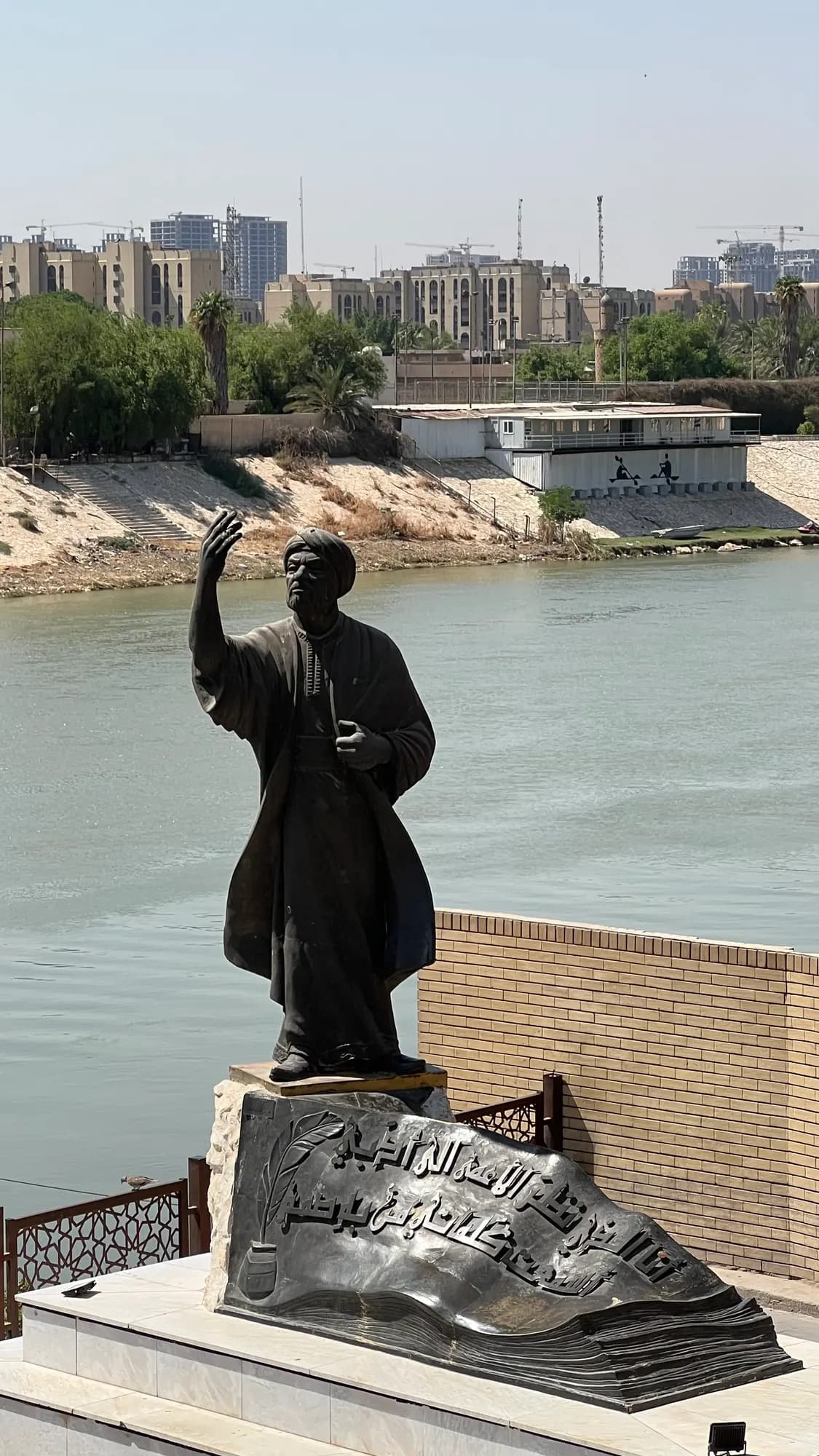
Iraq's capital on the Tigris River blends Abbasid heritage with modern life. Explore Al-Mutanabbi Street, the National Museum, and the Abbasid Palace along the riverfront.
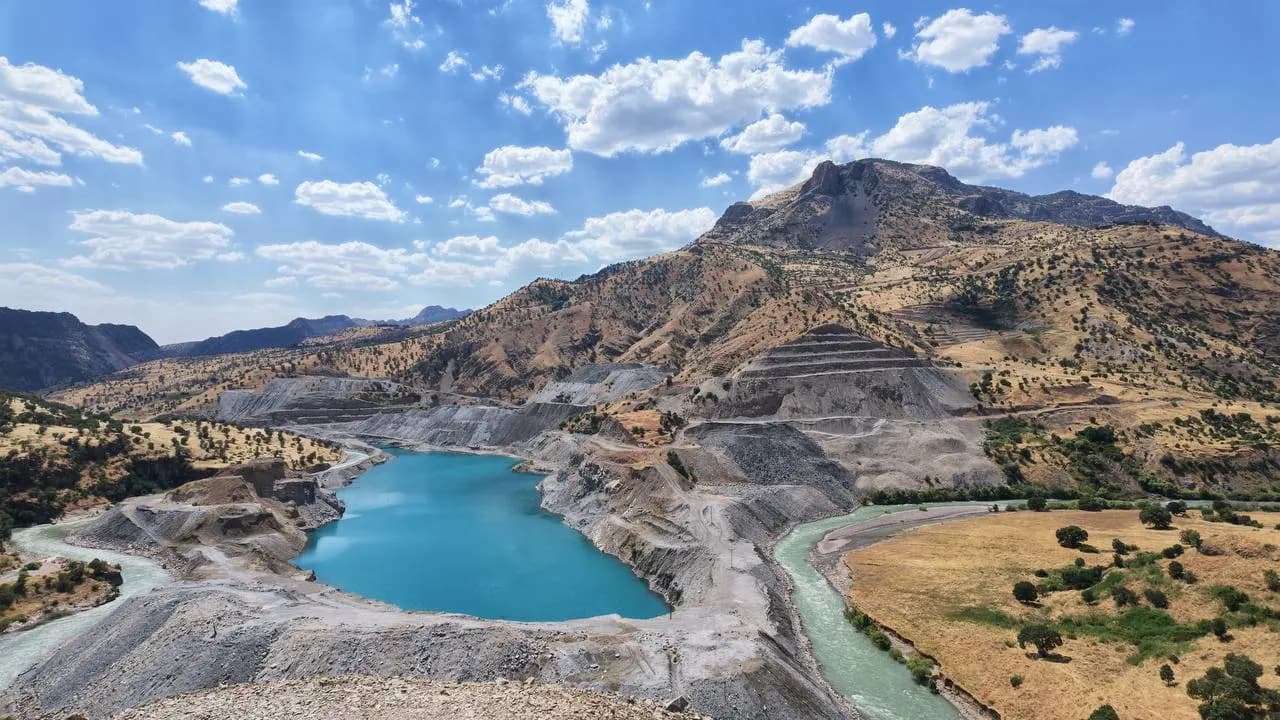
Northern Kurdistan gateway to dramatic valleys, waterfalls, and routes toward Zakho and the Turkish borderlands.
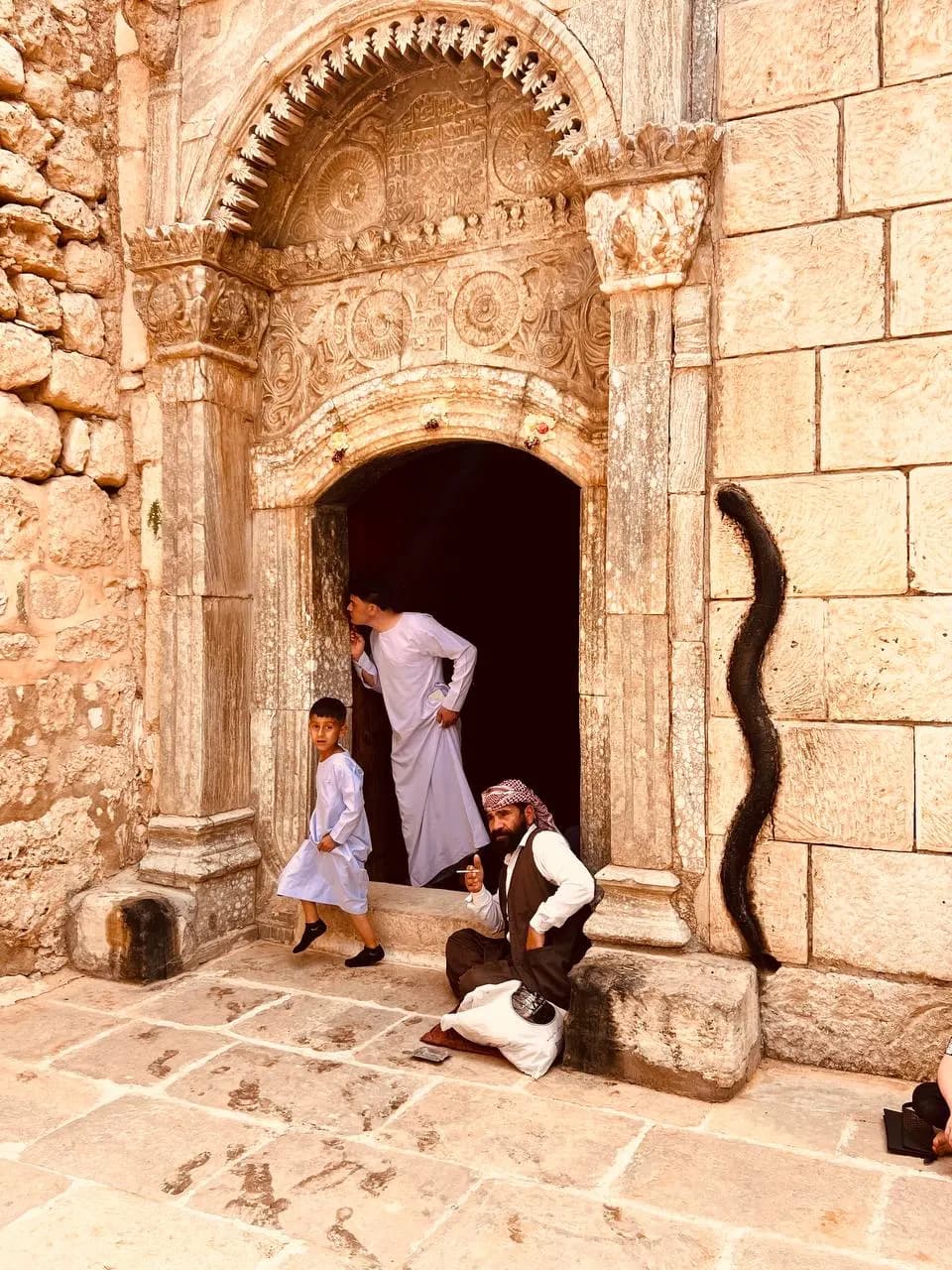
The holiest valley of the Yazidi faith, with conical-spired temples set among oak-covered hills in Nineveh Province.
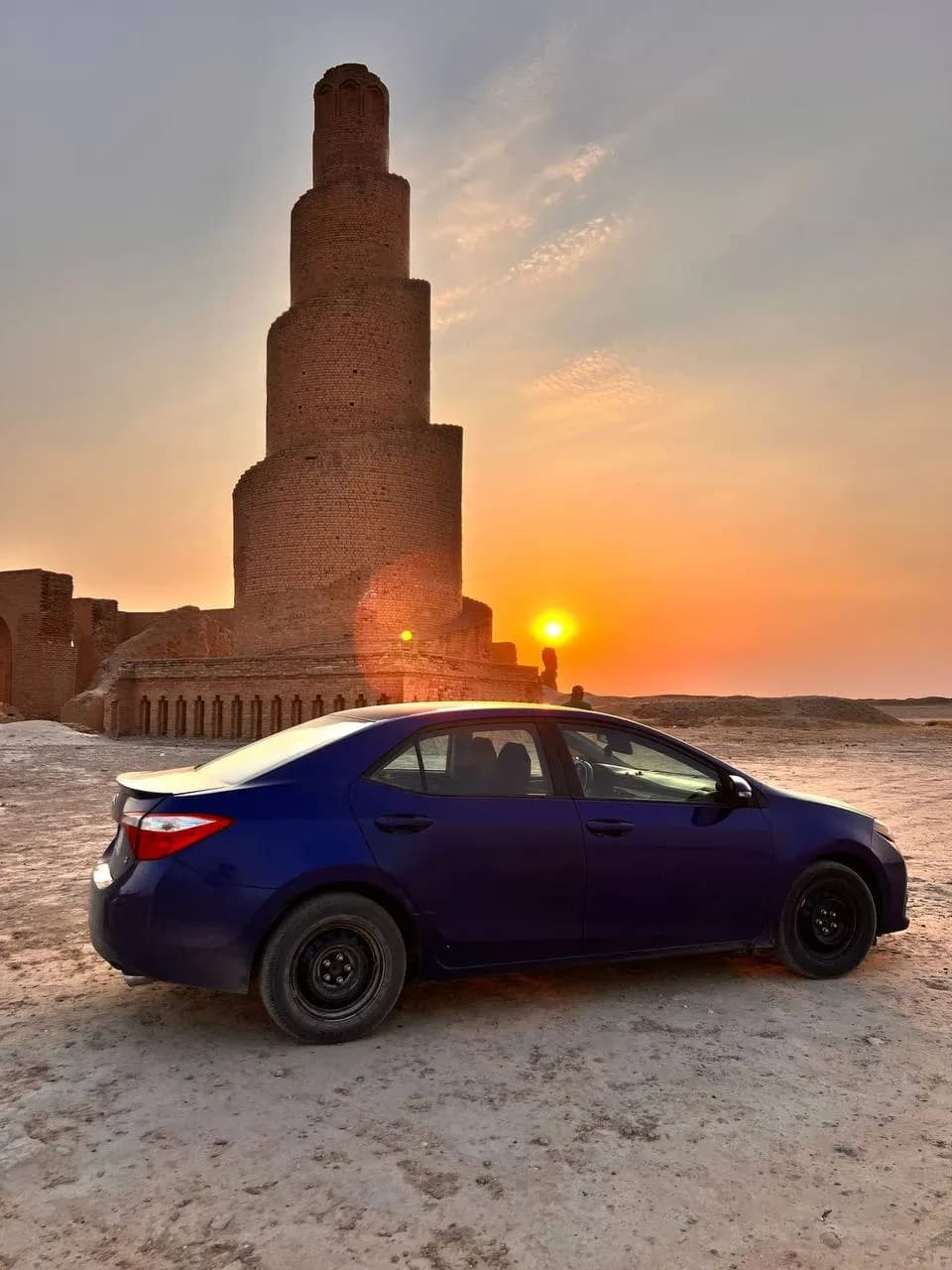
UNESCO-listed Abbasid capital famed for the Great Mosque's spiral Malwiya minaret — a masterpiece of early Islamic architecture on the Tigris.
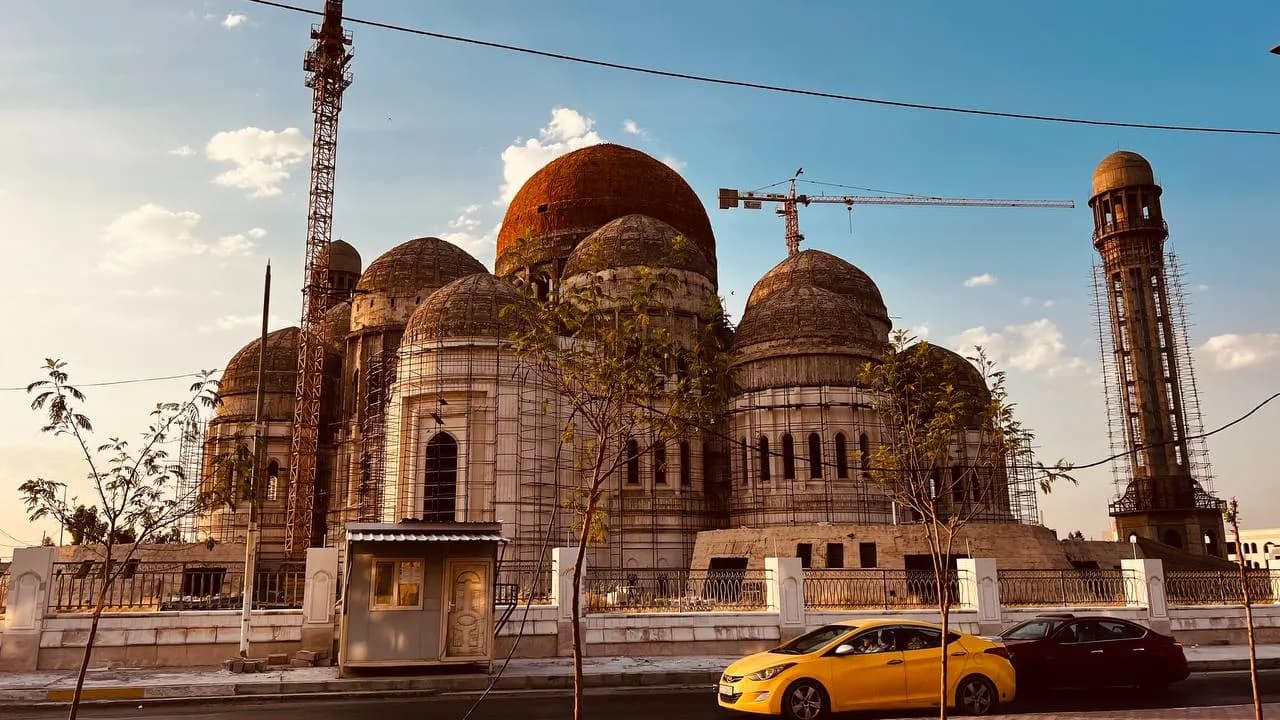
Iraq's northern metropolis on the Tigris, recovering its historic Old City and serving as gateway to Nineveh and Assyrian heritage.